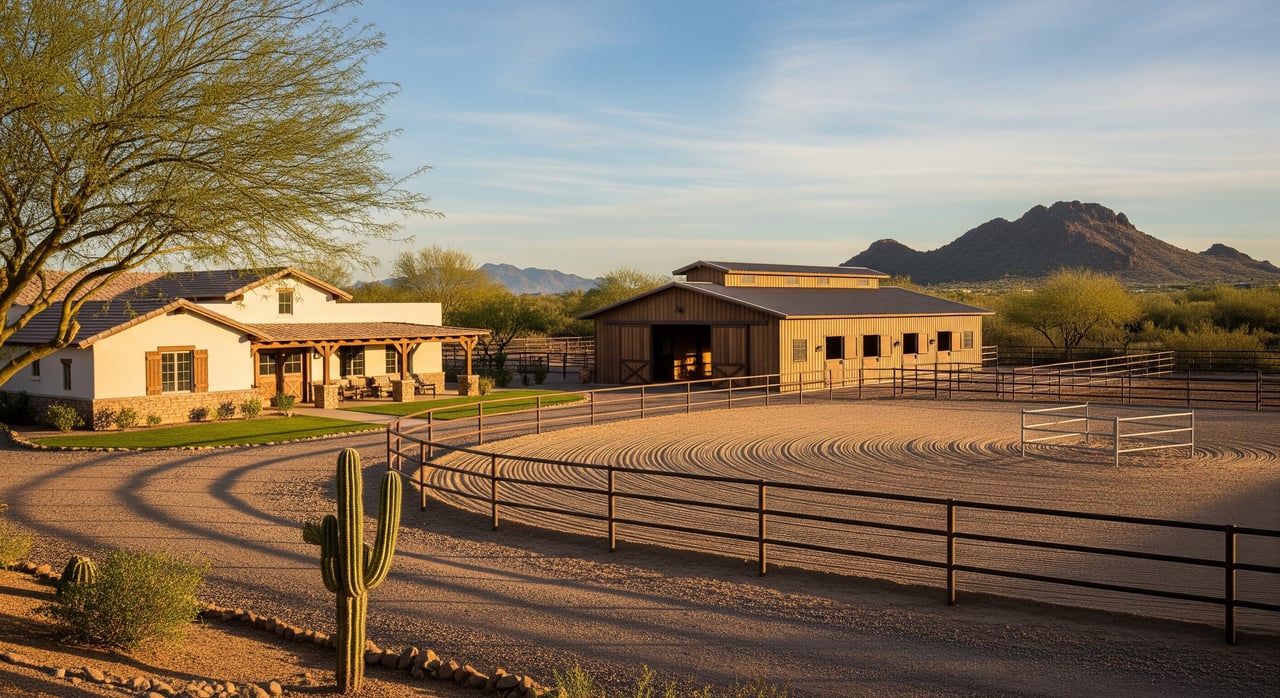
Thinking about a horse property in Cave Creek? You’re not alone. The area blends desert beauty, trail access, and a relaxed ranch lifestyle that still keeps you close to Scottsdale and Phoenix. But the best horse setup starts with smart zoning checks, a realistic acreage plan, and a property that fits the desert. In this guide, you’ll learn how to confirm where horses are allowed, what permits you may need, how much land fits your goals, and where to ride. Let’s dive in.
Why Cave Creek works for horse life
Landscape and climate
Cave Creek sits in the Sonoran Desert foothills with a mix of desert flats, washes, and low hills. This terrain shapes how you design paddocks, arenas, and drainage. Summers are hot and dry, so water and dust control become year-round considerations. Natural shade is limited, which means shelters and shade planning matter.
Parcel patterns and utilities
You’ll find both incorporated Town of Cave Creek parcels and nearby unincorporated Maricopa County lots. Many horse-friendly homes sit on 1 to 10-plus acres, from compact ranchettes to larger hobby farms. Utilities vary by property. Some homes connect to municipal water and sewer in town service areas, while others use wells and septic systems that affect layout and operating costs.
Zoning essentials to verify
Town vs. county rules
Start by confirming whether a parcel is inside the Town of Cave Creek or in unincorporated Maricopa County. Zoning districts, lot-size minimums, and animal-keeping allowances can differ. Use the official sites to review maps, ordinances, and permit guidance from the Town of Cave Creek Planning and Zoning resources and Maricopa County Planning and Development.
What zoning typically controls
In rural and low-density residential districts, horses are commonly allowed as part of residential use, often with minimum lot sizes. Some districts specify how many animals per acre or set structure setbacks and coverage limits. If you plan lessons, training, or boarding, commercial rules usually apply and can require different permits and inspections.
CC&Rs and private rules
Zoning is only part of the picture. CC&Rs, HOA rules, and private deed restrictions can allow or prohibit horses and can limit fencing types or outbuildings. To research a property, review recorded documents through the Maricopa County Recorder and parcel data via the Maricopa County Assessor.
Permits, wells and septic
Building and grading permits
Most new structures, such as barns, covered shelters, wash racks, tack rooms, and significant grading for an arena, require permits. Electrical, mechanical, and plumbing work also need approvals. For permitting procedures, contact the Town of Cave Creek for incorporated parcels or Maricopa County Planning and Development for unincorporated areas.
Water and well basics
If a property relies on a private well, confirm permitting, registration, and allowable uses. The Arizona Department of Water Resources provides guidance on wells and water rights. Start with the Arizona Department of Water Resources to understand requirements and documentation.
Septic system checks
Many horse properties use septic systems. New or replacement systems require review and permitting, and soil conditions affect design and cost. For rules and applications, see Maricopa County Environmental Services and search septic resources.
How much land fits your goals
- Under 1 acre: Works for 1 to 2 horses with compact turnout and high daily management. Expect to rely on off-site riding.
- Around 1 acre: A common starting point for private horse-keeping near town. Space is tight, so daily turnout and boarding support may still help.
- 2 to 5 acres: Popular for hobby setups with multiple paddocks, a small arena, tack storage, and room for manure management.
- 5+ acres: Allows pasture rotation, larger arenas, multiple outbuildings, and more horses with less confinement.
- 10+ acres: Typically used for small boarding operations, breeding programs, or extensive cross-fencing and pastures.
There is no one-size-fits-all rule. Practical acreage depends on your management style, the number of horses, and how much riding you plan to do on-site versus trailering out.
Desert-smart site features
Evaluate these fundamentals before you write an offer:
- Slope and drainage: Favor flat to mild slopes for paddocks and arenas. Check for washes and any floodplain designation.
- Soil type: Impacts arena footing, drainage, and septic feasibility. Poor soils can raise construction costs.
- Shade and shelter: Natural shade is limited in the desert. Plan for shelters to keep horses comfortable.
- Water availability and pressure: Confirm municipal service or well capacity. Factor in water for horses, dust control, and any arena or landscape irrigation.
- Access and turning radius: Ensure safe trailer access and adequate room for deliveries.
- Fencing and gates: Desert terrain and wildlife influence fence design. Confirm local rules for height, visibility, and potential wildlife openings.
Trails and riding access
Cave Creek is surrounded by public lands with multi-use trails that often allow horseback riding. Explore regional options and always confirm current rules and parking before you go.
- For park trail details and horse-friendly rules, review Cave Creek Regional Park and Spur Cross Ranch information.
- For backcountry options and seasonal updates, check the Tonto National Forest.
Trailheads may have limited trailer parking. Some trails close seasonally for weather, wildfire risk, or maintenance. Expect to share trails with hikers and cyclists and follow posted signage and etiquette.
Boarding and local services
Not every acreage plan covers training, lessons, or time away. Understanding the local care ecosystem helps you right-size your property and budget.
- Types of boarding: Paddock or pasture board, stall board with daily care, full-care and training board, and self-care options.
- Services to map: Feed and hay suppliers, farriers, equine vets and dentists, tack shops, manure removal, and large-animal transport.
- Commercial operations: Boarding or instruction typically requires business licensing and building and fire safety approvals through the Town or County.
Cost planning: capital and monthly
Budget for both build-out and ongoing care. Water is often the largest variable expense in an arid climate.
- Ongoing costs: Feed and hay, bedding, farrier and vet, water, equipment fuel and maintenance, fencing repairs, manure management, and dust control.
- Capital costs: Barns and shelters, arena grading and footing, wash racks, tack rooms, fencing and gates. Desert soils and drainage can increase site prep costs.
Your step-by-step decision plan
Step 1: Define your use and scale. Decide between personal riding with 1 to 2 horses or a larger hobby setup, breeding, or boarding. Your plan drives minimum acreage and infrastructure.
Step 2: Choose proximity or acreage. If you rely on vets, trainers, or frequent commuting, prioritize close-in parcels. If self-sufficiency matters most, favor larger acreage with room for storage and arenas.
Step 3: Validate parcel fundamentals. Confirm zoning and any animal-density limits with the Town of Cave Creek or Maricopa County Planning and Development. Review CC&Rs and easements via the Recorder and parcel data with the Assessor. Verify municipal water or well status, and septic or sewer options.
Step 4: Estimate daily care and staffing. Be honest about time, travel, and whether you will hire help. Labor availability can make a smaller, closer-in lot more practical than a larger spread.
Step 5: Plan for contingencies. Map nearby boarding for emergencies or travel. Consider defensible space and vegetation management on wildland-urban interface parcels.
Quick buyer checklist
- Confirm zoning and CC&Rs for horse keeping and any commercial use.
- Verify water source, well permits, and septic or sewer availability.
- Inspect topography, drainage, and potential floodplain.
- Evaluate fencing, shelter, and arena footing needs.
- Map nearby vets, farriers, feed suppliers, trainers, and boarding.
- Check trailhead locations, parking, and current rules.
- Get estimates for barns, arenas, and drainage improvements.
How we help you buy or sell
Buying or selling a horse property involves more moving parts than a typical home. You benefit from a partner who understands both lifestyle and logistics. Our team pairs local market expertise with design-minded guidance to help you weigh acreage, access, infrastructure, and long-term costs. We coordinate due diligence, connect you with trusted contractors, and outline realistic timelines and budgets so you can move confidently.
Ready to explore the right Cave Creek horse property for your goals? Connect with Brent Benger to map a clear plan and see on- and off-market opportunities.
FAQs
How does Cave Creek zoning affect keeping horses?
- Many rural and low-density districts allow horses, but rules vary by parcel. Verify allowances with the Town of Cave Creek Planning and Zoning or Maricopa County Planning and Development.
What minimum acreage do I need for two horses in Cave Creek?
- There is no single legal minimum. Around 1 acre can work with careful management, while 2 to 5 acres allows more flexibility. Always check local zoning and any CC&Rs.
Can I run a boarding business on my Cave Creek property?
- Commercial boarding typically requires business licensing and building and fire approvals. Contact the Town of Cave Creek or Maricopa County Planning and Development early in your planning.
How do I verify trail access near a specific Cave Creek parcel?
- Confirm public trailheads, parking, and rules with Maricopa County Parks and the Tonto National Forest, and review any private easements or restrictions.
What hidden costs should I plan for with a Cave Creek horse property?
- Water for horses and dust control, arena construction and upkeep, septic upgrades, fencing replacement, labor during travel, and emergency veterinary care are the most common surprises.